
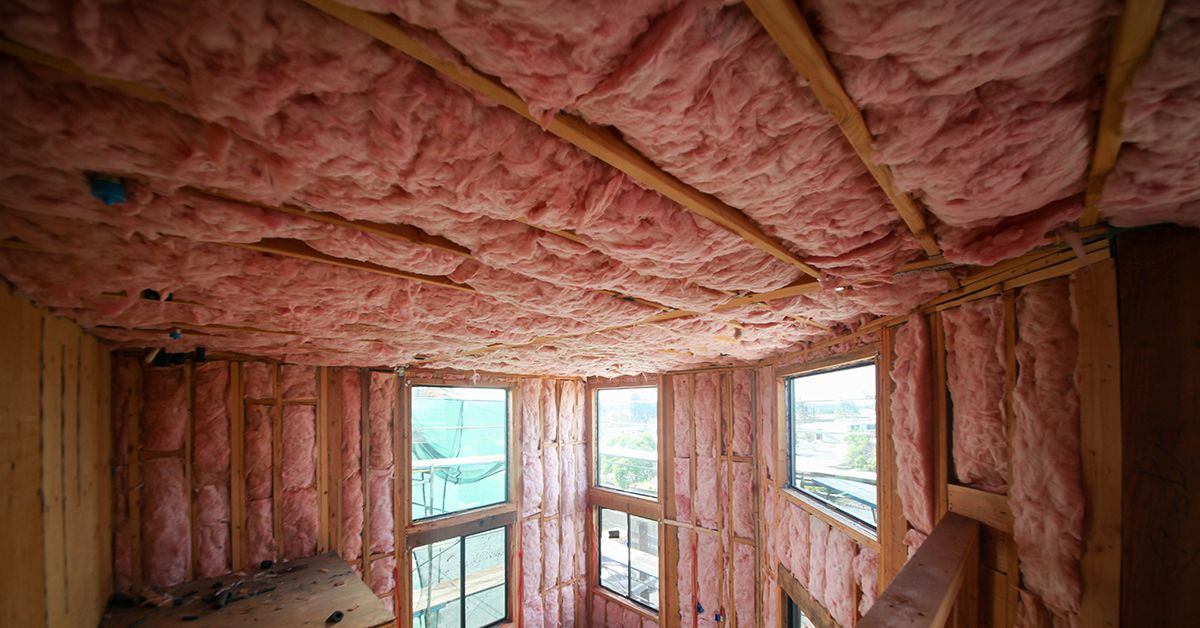
The Ultimate Guide to Home Insulation
Home insulation is a crucial aspect of any home improvement project that can significantly enhance energy efficiency, reduce utility bills, and improve overall comfort. This guide will cover everything you need to know about home insulation, including types, benefits, installation tips, and more.
What is Home Insulation?
Home insulation refers to the materials and techniques used to reduce heat transfer between the interior and exterior of a building. It helps maintain a consistent temperature inside the home, making it more comfortable and energy-efficient.
Benefits of Home Insulation
- Improved energy efficiency
- Lower energy bills
- Enhanced comfort
- Noise reduction
- Increased home value
- Environmental benefits
1. Improved Energy Efficiency
Proper insulation minimizes the amount of energy required to heat or cool your home, which leads to reduced energy consumption and lower utility bills.
2. Lower Energy Bills
With effective insulation, you can save a significant amount on your heating and cooling costs. A well-insulated home requires less energy to maintain a comfortable temperature.
3. Enhanced Comfort
Insulation helps to create a stable indoor environment by preventing drafts and cold spots, ensuring that your living space remains comfortable throughout the year.
4. Noise Reduction
Insulation materials not only keep your home warm in winter and cool in summer but also reduce noise from outside, contributing to a quieter and more peaceful living environment.
5. Increased Home Value
Investing in quality insulation can enhance your home's market value, making it more appealing to potential buyers.
6. Environmental Benefits
By reducing energy consumption, proper insulation contributes to lower greenhouse gas emissions, making your home more eco-friendly.
Types of Home Insulation
- Fiberglass
- Foam Board
- Spray Foam
- Cellulose
- Mineral Wool
- Reflective or Radiant Barrier
1. Fiberglass
Fiberglass insulation is one of the most common types, made from tiny glass fibers. It is available in batts, rolls, and loose-fill form.
2. Foam Board
Foam board insulation is rigid panels that provide high insulating values with minimal thickness, ideal for walls, roofs, and foundation.
3. Spray Foam
Spray foam insulation expands on application, filling gaps and creating an airtight seal that enhances energy efficiency.
4. Cellulose
Made from recycled paper products, cellulose insulation is eco-friendly and provides effective thermal performance.
5. Mineral Wool
Mineral wool insulation is made from natural or recycled materials and is fire resistant, making it a safe choice for homes.
6. Reflective or Radiant Barrier
Reflective barriers are used mainly in attics to reflect radiant heat away from living spaces, improving energy efficiency.
How to Choose the Right Insulation for Your Home
Selecting the right insulation depends on various factors including climate, the part of the home being insulated, cost, and personal preferences. Here are some key considerations:
- Assess your climate zone
- Determine insulation location (attic, walls, floors)
- Evaluate your budget
- Consider R-value requirements
- Think about installation method
Installation Tips for Home Insulation
Proper installation is key to maximizing the benefits of insulation. Here are some tips to ensure effective insulation:
- Seal air leaks before insulation installation
- Use the right equipment and safety gear
- Follow manufacturer guidelines for installation
- Consider hiring a professional for complex projects
- Check for proper ventilation to prevent moisture buildup
Conclusion
Investing in home insulation is a smart decision that not only enhances energy efficiency but also contributes to a more comfortable living environment and increased property value. By understanding the types of insulation available and their respective benefits, homeowners can make informed choices for their home improvement projects.